Ultimate Character Design Guide: Tips & Techniques
Ultimate Character Design Guide: Tips & Techniques
Readers, have you ever found yourself staring at a blank canvas, feeling overwhelmed by the prospect of creating a compelling character? Character design is an art form that demands creativity, technical skill, and a deep understanding of storytelling. It’s about bringing your imaginative ideas to life, capturing the essence of a character within a visual representation.
Character design is not just about drawing pretty pictures. It’s about weaving together visual elements that convey personality, backstory, and emotions. It’s about creating characters that resonate with audiences and leave a lasting impact.
I’ve been involved in the world of character design for years, analyzing the best practices and uncovering hidden gems. This comprehensive guide will delve into the art of character design, providing valuable tips and techniques to help you craft unforgettable personas that captivate your audience.
The Foundation: Understanding Character Design
Before embarking on your artistic journey, it’s crucial to have a solid understanding of character design principles. This foundation will guide you through the creative process, ensuring your characters are well-developed and visually compelling.
Character Concept and Inspiration
Character design starts with a concept, a spark of inspiration that ignites your imagination. This could stem from a personal experience, a literary character, or a fascinating historical figure. The key is to identify the core elements that define your character and translate them into a visual form.
Explore different sources of inspiration such as art books, movies, comics, and real-life observations. Allow these influences to fuel your creativity and shape your initial ideas.
Character Traits and Personality
Every character has unique traits and a distinct personality that sets them apart. Before you begin sketching, take the time to define your character’s core traits.
Consider their strengths, weaknesses, motivations, and aspirations. These elements will inform their appearance, posture, and overall presence.
Visual Storytelling Through Design
Character design is a powerful tool for storytelling. Every design element, from the choice of colors to the shape of the eyes, contributes to the narrative.
For example, a character’s clothing can reveal their social status, profession, or personality. Similarly, the use of light and shadow can enhance the mood or create a sense of mystery.
The Design Process: Bringing Your Character to Life
With a strong foundation in place, you’re ready to embark on the character design process. This will involve a series of steps that gradually transform your initial ideas into a fully realized character.
1. Brainstorming and Sketching
Start by brainstorming different visual ideas for your character.
Don’t be afraid to experiment with different styles, shapes, and forms. Capture your ideas quickly on paper, using simple sketches to explore different possibilities.
Once you’ve gathered a collection of sketches, select the most promising ones and refine them further.
2. Character Design Development
Once you’ve narrowed down your choices, it’s time to delve deeper into the design process. This is where you flesh out your character’s appearance, personality, and backstory.
Pay attention to details like clothing, accessories, hairstyles, and facial expressions. Experiment with various color palettes and textures to communicate your character’s visual identity.
3. Visualizing the Character in Context
Once your character design is taking shape, it’s helpful to visualize them within the context of their story.
Consider their environment, the other characters they interact with, and the overall mood of the narrative.
These elements will help you refine your character design and ensure it seamlessly fits within the larger story.
Essential Tips for Effective Character Design
Now that you have a grasp of the fundamentals, let’s delve into some practical tips to enhance your character design abilities.
1. Start with Simple Shapes
Don’t get overwhelmed by complex details in the early stages. Begin by sketching simple shapes – circles, squares, and triangles – to establish the character’s overall form.
These basic shapes will help you create a balanced and harmonious structure. Once you’re happy with the overall composition, you can add in more details.
2. Focus on Silhouette
The silhouette is the outline of your character when viewed from a distance. A strong silhouette is essential for instantly recognizing and remembering your character.
Make sure your character has a distinct and memorable silhouette. Avoid creating characters that look too similar or generic.
3. Consider Body Language and Posture
Body language and posture can convey a wealth of information about a character.
A confident character might stand tall with their shoulders back. A shy character might hunch over, while a playful character might have a more relaxed and open posture.
4. Pay Attention to Detail
While it’s important to avoid getting bogged down in minutiae, attention to detail can make a big difference in character design.
Include small touches, like wrinkles on clothing, textures in hair, or unique accessories to give your character more depth and personality.
5. Use Color Strategically
Color plays a critical role in character design. Different colors evoke different emotions and associations.
For example, red is often associated with passion and energy, while blue is associated with calmness and tranquility.
Choose your colors carefully, keeping in mind the overall mood and tone you want to convey.
6. Experiment with Different Styles
Don't be afraid to experiment with different art styles and techniques.
Try using different media, such as pencils, markers, digital software, or even collage. Explore various styles, from realistic to stylized to abstract.
Experimentation will help you discover new creative avenues and develop your own signature style.
Character Design for Different Media
Character design principles apply across various media, but the specific considerations may vary. Let’s explore some key aspects of character design for different creative formats.
Character Design for Animation
Character design for animation requires a unique approach, considering factors such as movement, expression, and visual clarity. Animations tend to be dynamic and expressive, so characters need to be designed with these aspects in mind.
Animations often utilize exaggerated features to enhance the visual impact and convey emotions more clearly. Ensure your characters are well-proportioned and balanced to allow for natural movement and dynamic poses.
Character Design for Games
Game character design is a blend of visual appeal and functionality.
Characters should be visually engaging to capture the player’s attention, but they also need to be easily recognizable and navigate within the game environment.
Consider factors like character size, proportions, and the game’s camera angles.
Character Design for Comics
Comic book character design often features a unique, stylized aesthetic.
Characters are often drawn using bold outlines, exaggerated features, and dramatic poses.
The goal is to create visually striking characters that convey personality and action even in a still image.
Character Design for Illustration
Illustration is a versatile medium that allows for a wide range of character design styles.
Illustrators often focus on creating characters that evoke a specific mood or message.
Consider your target audience, the style of illustration, and the overall message you want to convey.
Character Design Tools and Resources
Character design is a collaborative process, and there are numerous resources available to assist you in your creative journey.
Digital Design Tools
Digital design tools like Photoshop, Illustrator, and Clip Studio Paint provide a vast array of features for creating stunning character designs. These tools offer a range of brushes, colors, and effects, enabling you to experiment and refine your creations with ease.
Digital tools also allow you to create seamless animations, work with layers, and easily undo mistakes.
Traditional Art Supplies
Don’t underestimate the power of traditional art supplies like pencils, markers, charcoal, and watercolor.
These tools can be just as effective for character design, and they offer a unique and expressive style.
Experiment with different types of paper, textures, and blends to discover what works best for you.
Online Resources and Communities
Numerous online resources and communities cater to character design enthusiasts.
You can find tutorials, examples, and inspiration from established character designers, as well as connect with other artists to share ideas and receive feedback.
These communities offer a platform for learning, networking, and building a portfolio.
Character Design Books and Tutorials
Hundreds of books, tutorials, and courses are available to deepen your understanding of character design.
Explore resources that cover specific aspects of character design, such as anatomy, expression, storytelling, or specific art styles.
These resources can provide valuable insights and techniques to improve your skills.
Character Design Inspiration
Finding inspiration is a vital part of the creative process. Explore a diverse range of sources to fuel your imagination and develop your own unique style.
Art Books and Galleries
Visit art bookshops, galleries, and museums to explore the works of established artists. Pay attention to their style, techniques, and the emotions they convey through their characters.
Art books offer a wealth of inspiration and insights into different artistic traditions.
Movies, Comics, and Video Games
Immerse yourself in the world of movies, comics, and video games. Pay attention to the character designs, their personalities, and how they contribute to the narrative.
Observe how different media utilize character design to create compelling and memorable characters.
Real-Life Observations
Don’t overlook the power of real-life observations.
Pay attention to the people around you, their expressions, their clothing, and their mannerisms.
These everyday encounters can spark new ideas for unique characters.
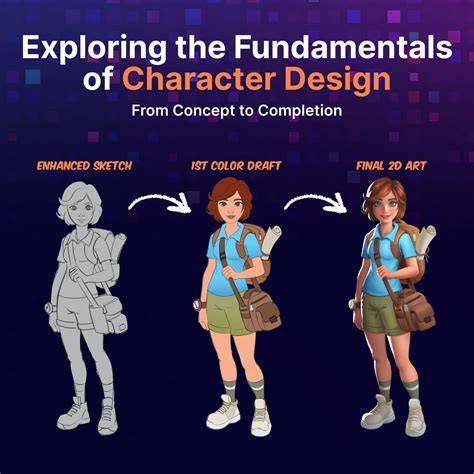
Character design is an ongoing journey of discovery and expression.
There is no single right way to approach it.
Embrace experimentation, explore different styles and techniques, and never stop learning.
As you develop your skills, you’ll find your own unique voice and create characters that captivate and inspire.
Remember, character design is a powerful tool for storytelling.
Use it to create characters that resonate with audiences, evoke emotions, and leave a lasting impression.
FAQs about Character Design
What are some common mistakes to avoid when designing characters?
Some common mistakes include neglecting basic anatomy, creating characters that lack visual clarity, and neglecting the character's story and personality.
It's also important to avoid relying solely on stereotypes or clichés.
What are some popular character design styles?
There are numerous popular character design styles, including anime, manga, realistic, stylized, cartoon, and many more.
Explore different art styles and find one that suits your taste and the type of characters you want to create.
How can I improve my character design skills?
The best way to improve your character design skills is to constantly practice, study the work of other artists, and seek feedback from others.
Join online communities, take workshops, and explore various resources to expand your knowledge.
Conclusion
So, there you have it, readers – a comprehensive guide to character design.
Remember, character design is an art form that requires patience, practice, and a love for storytelling.
By following these tips and techniques, you can craft unforgettable characters that captivate audiences and leave a lasting impact.
To continue your journey of character design, be sure to check out our other articles on character design concepts, techniques, and tools.


